

Introduction
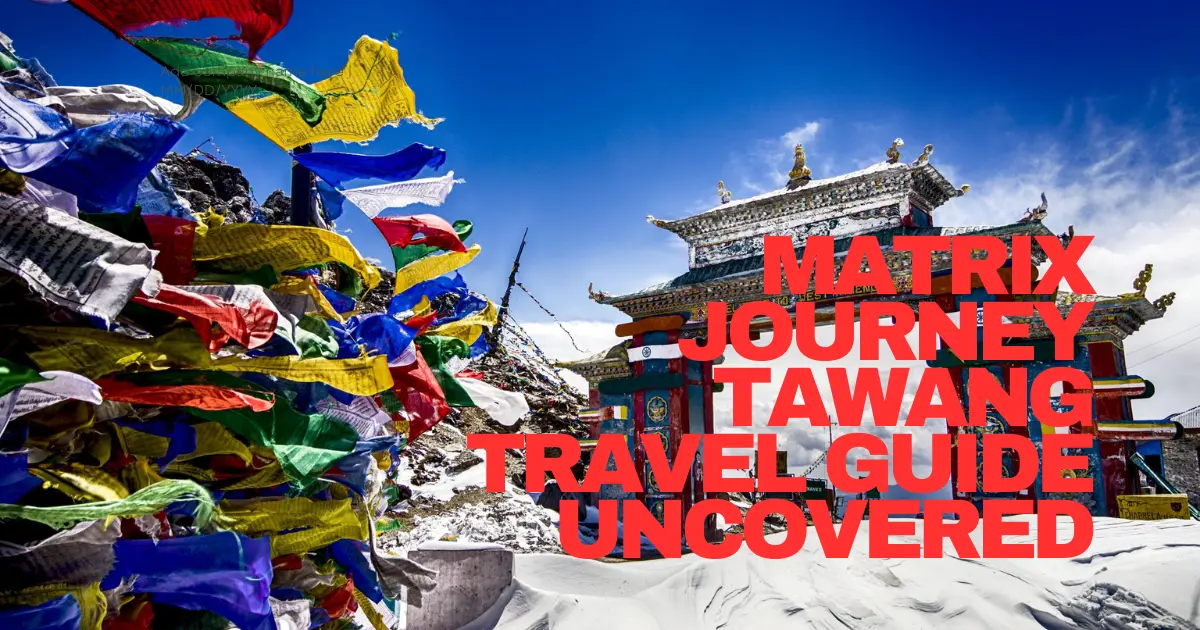
Tawang, located in the northeastern frontier of India, represents an ongoing convergence of natural majesty, cultural richness, and spiritual significance. Nestled amidst the Himalayan ranges, the Tawang Travel Guide serves as both a resource for adventurers and a sanctuary for seekers of tranquility. Understanding Tawang is no longer merely a journey of sightseeing; it offers layered insights into history, Buddhist heritage, and regional life that impact modern travel experiences. Individuals increasingly seek structured knowledge that connects practical travel logistics with cultural and spiritual exploration, making a detailed Tawang Travel Guide indispensable.
Exploring Tawang affects daily life beyond tourism. Travelers gain awareness of local traditions, monastic practices, and architectural symbolism that strengthen cultural literacy. Effective engagement demands preparation, sensitivity, and knowledge of essential travel elements, from permits and transport to local etiquette. Users must approach their journey with deliberate planning to ensure both safety and meaningful interaction with the region’s communities.
However, navigating Tawang requires understanding ongoing challenges. Remote terrain, fluctuating weather, and administrative requirements demand careful coordination. Individuals should integrate transport planning, accommodation, and cultural insight into a cohesive strategy. By adopting structured guidance, travelers unlock hidden wonders, enhance experiential depth, and foster sustainable tourism practices that preserve the region’s unique heritage.
Section 1: Preparing for Your Tawang Expedition
Subsection 1.1: Research and Planning
Thorough preparation serves as the foundation for any Tawang journey. Users must identify key destinations, including monasteries, viewpoints, and cultural centers, while understanding seasonal constraints.
Essential tools:
- Detailed maps and GPS navigation
- Travel permits and documentation
- Local reference guides
Effective research ensures individuals avoid logistical pitfalls, strengthening their ability to experience both natural and cultural dimensions fully.
Subsection 1.2: Timing and Seasonal Considerations
Tawang’s high-altitude climate requires careful scheduling. Summer months offer accessibility, while winter can restrict travel due to snow and road closures.
Key practices:
- Plan visits during March to October for optimal weather
- Align travel with local festivals for enriched cultural exposure
- Monitor weather forecasts closely
By integrating environmental factors into planning, travelers enhance comfort and safety while maximizing experiential value.
Subsection 1.3: Budgeting and Resource Management
Financial preparation strengthens travel efficiency. Users must account for transport, accommodation, meals, and monastery donations. Budgeting supports strategic decision-making and ensures uninterrupted exploration.
Practical measures:
- Allocate funds for permits and emergency contingencies
- Balance spending between essentials and cultural experiences
- Reserve accommodations in advance to secure availability
Section 2: Exploring Tawang’s Spiritual Landscape
Subsection 2.1: Monastic Heritage
Tawang Monastery remains among the largest Buddhist monasteries in India, serving as a spiritual and cultural hub. Understanding monastic rituals strengthens cultural comprehension and enhances respect for local practices.
Subsection 2.2: Architectural Significance
Temple and monastery designs represent layered symbolism. Users must observe structural layouts, mural paintings, and sacred relics that narrate centuries of spiritual tradition.
Safety measures:
- Maintain respectful distance from restricted areas
- Adhere to dress codes and conduct norms
- Seek permission before photography in sensitive zones
Subsection 2.3: Ritual Observances
Daily ceremonies and prayer sessions serve as living traditions. Participation or observation demands cultural sensitivity and enhances understanding of Tawang’s spiritual essence.
Section 3: Immersing in Local Culture
Subsection 3.1: Festivals and Events
Local festivals like Losar and Torgya represent ongoing cultural and religious engagement. Participation strengthens experiential depth and community connection.
Subsection 3.2: Art, Music, and Performance
Traditional dances, chanting, and music integrate with religious life. Users should recognize these elements as both cultural expression and spiritual narrative.
Key practices:
- Attend performances respectfully
- Learn brief contextual background for art forms
- Observe seating and behavioral norms
Subsection 3.3: Regional Cuisine
Food practices, including monastery offerings and local dishes, enhance cultural immersion. Individuals should approach culinary experiences with both curiosity and caution.
Section 4: Logistics and Travel Essentials
Subsection 4.1: Transportation Networks
Access to Tawang requires multi-layered planning. Road travel is primary, while limited air connectivity exists via nearby airports.
Essential tools:
- Verified taxi services and shared transport options
- GPS navigation for remote routes
- Emergency contact resources
Subsection 4.2: Accommodation Planning
Proximity to key sites strengthens convenience. Users must evaluate lodging based on comfort, safety, and cultural compatibility.
Subsection 4.3: Health and Safety Measures
High-altitude travel demands awareness of physical limitations and environmental risks.
Safety measures:
- Carry hydration and altitude sickness medications
- Monitor weather and road conditions
- Follow local health advisories
Section 5: Maximizing the Spiritual and Cultural Experience
Subsection 5.1: Meditation and Reflection
Quiet periods within monasteries or scenic viewpoints allow personal reflection. Users must allocate time deliberately to absorb ambiance and spiritual energy.
Subsection 5.2: Guided Exploration
Engaging local guides enhances comprehension. Their knowledge of history, rituals, and legends strengthens meaningful exploration.
Subsection 5.3: Ethical Engagement
Responsible travel requires respect for community life, environmental conservation, and local customs. Individuals should support ethical tourism practices and avoid disruptive behavior.
FAQs about Matrix Journey Tawang Travel Guide Uncovered
Q1: When is the best time to visit Tawang?
A1: March to October offers optimal weather and accessibility, avoiding heavy snow in winter months.
Q2: Are there dress codes for monasteries?
A2: Yes, modest clothing covering shoulders and knees is mandatory. Visitors should respect traditional attire requirements.
Q3: How can I safely navigate high-altitude areas?
A3: Acclimate gradually, stay hydrated, and carry medications for altitude sickness. Monitor physical condition continuously.
Q4: Do I need permits to visit Tawang?
A4: Yes, Indian citizens require Inner Line Permits, and foreign tourists must obtain Protected Area Permits in advance.
Q5: Is hiring a local guide necessary?
A5: While optional, guides provide essential cultural, historical, and logistical insights that enhance travel quality.
Conclusion
Tawang remains among India’s most spiritually and culturally enriching destinations. Effective exploration demands research, seasonal planning, budget management, respectful engagement with monastic and local communities, and safety preparedness. By following structured strategies, observing cultural norms, and integrating spiritual and logistical knowledge, individuals unlock hidden wonders, deepen understanding, strengthen personal growth, and experience long-term fulfillment from this unique Himalayan journey.
