

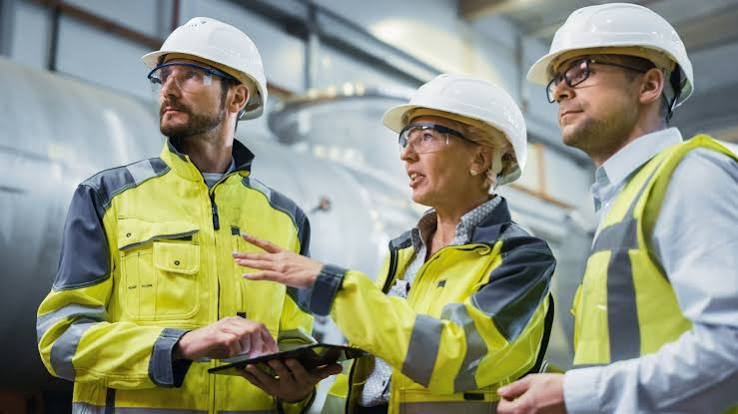
Manufacturing plants are busy, noisy, and full of powerful equipment. Machines cut, press, weld, and mold materials at high speed, while forklifts, cranes, and conveyors move products around the clock. It is an environment that creates value, but it also contains hazards that can cause serious harm if they are not controlled.
Manufacturing safety is the practice of identifying those hazards and putting systems in place to protect workers, equipment, and the business. This guide covers the main risks, essential safeguards, and practical steps to build a safer plant.
Why Manufacturing Safety Matters
Every injury has a human cost: pain, lost income, long recovery, and sometimes permanent disability. There are business costs as well, including downtime, repair expenses, compensation claims, regulatory penalties, and damaged reputation. Safe plants generally enjoy higher morale, lower turnover, better quality, and stronger productivity. Safety and efficiency are not opposites. They tend to improve together.
Common Hazards in Manufacturing
Machinery hazards. Rotating parts, pinch points, presses, blades, and conveyors can cause crushing, cutting, entanglement, or amputation.
Slips, trips, and falls. Oil, coolant, wet floors, cluttered aisles, cables, and uneven surfaces are constant threats.
Material handling. Lifting, carrying, stacking, and moving heavy items can cause strains and falling-object injuries.
Powered vehicles. Forklifts, pallet jacks, and overhead cranes create collision and tipping risks.
Electrical hazards. Damaged cords, faulty equipment, and improper maintenance can lead to shocks, burns, and fires.
Noise. Long exposure to loud equipment can cause permanent hearing loss.
Chemical exposure. Solvents, paints, cleaning agents, and process chemicals can harm skin, eyes, and lungs.
Dust and fumes. Welding fumes, metal dust, and airborne particles pose respiratory risks.
Heat and cold. Furnaces, ovens, and refrigerated areas create stress on the body.
Ergonomic risks. Repetitive motions, awkward postures, and poorly designed workstations lead to musculoskeletal disorders.
Fire and explosion. Combustible dust, flammable liquids, and hot work require careful control.
Start With a Thorough Hazard Assessment
You cannot control what you have not identified. Walk the floor with supervisors and operators, review each process step by step, and note where people interact with hazards. Look at maintenance and cleaning tasks, which often carry higher risk than normal operation. Review incident and near-miss records to spot patterns.
Rank risks by likelihood and severity, so you can tackle the most serious ones first.
Apply the Hierarchy of Controls
The most effective safety programs follow a priority order.
Elimination. Remove the hazard entirely, for example by redesigning a process so that manual handling is unnecessary.
Substitution. Replace a hazardous material or method with a safer one.
Engineering controls. Use guards, interlocks, ventilation systems, sound enclosures, and light curtains to separate people from hazards.
Administrative controls. Introduce procedures, scheduling, signage, training, and job rotation.
Personal protective equipment. Use helmets, glasses, gloves, hearing protection, respirators, and safety footwear when other measures cannot fully control the risk.
PPE is important but should be the last layer, not the first.
Machine Guarding
Guards prevent contact with dangerous moving parts. Fixed guards, interlocked guards, presence-sensing devices, and two-hand controls all serve this purpose. Guards must be strong, properly fitted, and never removed or bypassed. Regularly inspect them and repair any damage immediately. Make sure emergency stop buttons are easy to reach and tested often.
Lockout/Tagout
Servicing, cleaning, and clearing jams expose workers to sudden startup or stored energy. A lockout/tagout program isolates energy sources, applies locks and tags, releases stored energy, and verifies that the machine cannot start. Train authorized workers thoroughly, and audit procedures to ensure shortcuts are not creeping in.
Safe Material Handling and Forklift Operation
Only trained and authorized employees should operate powered industrial trucks. Enforce speed limits, mark pedestrian walkways, install mirrors at blind corners, and require seat belts. Inspect vehicles before each shift. For manual handling, provide lifting aids, teach proper techniques, and store heavy items at waist height. Stack materials securely to prevent collapses.
Housekeeping
A clean plant is a safer plant. Keep aisles clear and clearly marked, clean spills immediately, store tools in designated places, and dispose of waste properly. Good housekeeping reduces trips, fires, and equipment damage, and it shows that management cares about standards.
Electrical and Fire Safety
Inspect cords, plugs, panels, and equipment regularly. Use ground-fault protection where appropriate. Keep electrical panels accessible, and allow only qualified people to perform electrical work. For fire safety, maintain alarms, sprinklers, and extinguishers, keep exits unobstructed, control ignition sources, and manage dust accumulation. Run evacuation drills so everyone knows what to do.
Chemical and Air Quality Management
Maintain an inventory of chemicals with up-to-date safety data sheets. Label containers clearly, store incompatible substances separately, and provide ventilation or local exhaust where needed. Train workers on hazards, safe handling, and emergency response. Monitor air quality when necessary, and supply properly fitted respirators for tasks that require them.
Noise and Ergonomics
Measure noise levels, then reduce them at the source with maintenance, enclosures, or quieter equipment. Provide hearing protection in areas where levels remain high. For ergonomics, adjust workstation heights, provide anti-fatigue mats, rotate tasks, and introduce tools that reduce repetitive strain. Small design changes can prevent long-term injuries.
Training and Communication
Well-informed workers make safer choices. Provide onboarding for new hires, job-specific instruction, and refresher training. Use short, regular safety talks to address current issues. Make signage clear and visual, especially in multilingual workplaces. Encourage workers to speak up about hazards, and respond quickly when they do.
Contractors and Temporary Workers
Temporary staff and contractors are often at higher risk because they are unfamiliar with the site. Give them the same induction and supervision as permanent staff, and explain site-specific hazards and emergency procedures clearly.
Incident Reporting and Investigation
Every injury, near miss, and unsafe condition is an opportunity to learn. Make reporting simple and free from blame. Investigate promptly to find root causes, not just immediate ones, and follow through with corrective actions. Share lessons across the plant so mistakes are not repeated.
Building a Safety Culture
Policies and equipment are only part of the picture. Culture determines whether people follow them. Leaders must set the tone by following rules themselves, listening to workers, and allowing time to do jobs safely. Recognize good safety behavior, involve employees in safety committees and inspections, and make it clear that no production target is worth an injury.
Measuring Progress
Track both lagging indicators, such as injury rates and lost time, and leading indicators, such as inspections completed, training delivered, near misses reported, and corrective actions closed. Review results regularly, celebrate improvements, and adjust plans where progress stalls.
Learn More
For further guidance, read this overview of manufacturing safety.
Final Thoughts
Manufacturing safety works best when it is treated as part of how the plant runs, not a separate task. By identifying hazards, applying strong controls, training people well, and listening to those who do the work every day, you can build a workplace where people go home healthy at the end of every shift. Safe plants are usually productive plants, and the two goals support each other.
